
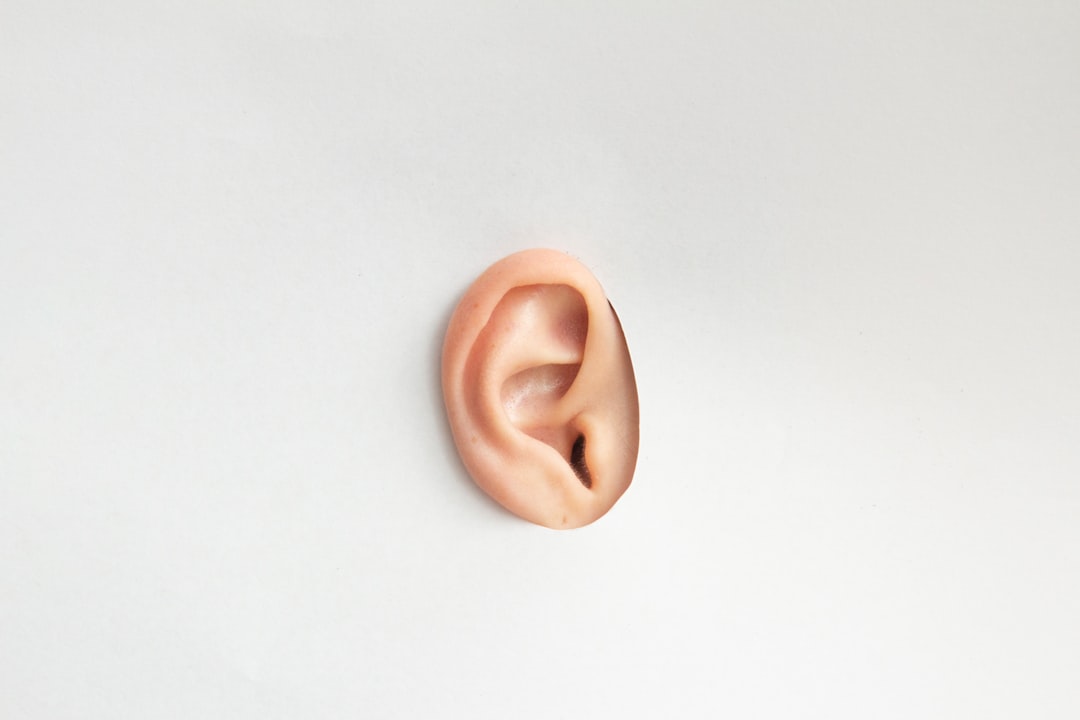
The human ear is a complex organ that plays a crucial role in the perception of sound. It consists of three main parts: the outer ear, the middle ear, and the inner ear. The outer ear includes the pinna, which is the visible part of the ear, and the ear canal, which channels sound waves toward the eardrum. When sound waves reach the eardrum, they cause it to vibrate. These vibrations are then transmitted to the middle ear, where three tiny bones known as the ossicles amplify the sound before it moves into the inner ear.
In the inner ear, the cochlea converts these vibrations into electrical signals that are sent to the brain via the auditory nerve. The brain interprets these signals as sound, allowing individuals to perceive and understand their auditory environment. This intricate process highlights the importance of each component of the ear in facilitating hearing. For music producers, who rely heavily on their auditory skills, understanding this anatomy is essential for appreciating how sound is processed and how hearing can be affected by various factors.
For electronic music producers looking to enhance their ear health and hearing protection, a related article that offers valuable insights is titled “Essential Tips for Protecting Your Hearing in Loud Environments.” This article delves into practical strategies and tools that can help safeguard your hearing while enjoying and creating music. To read more about this important topic, visit Technomusic News.
Common Causes of Hearing Loss in Music Producers
Hearing loss among music producers is often attributed to prolonged exposure to high sound levels. The music industry is characterized by loud environments, whether in recording studios, live performances, or during mixing sessions. Continuous exposure to sounds above 85 decibels can lead to noise-induced hearing loss, a condition that can be irreversible. Many producers may not realize the cumulative effect of daily exposure to loud music, which can gradually damage the delicate hair cells in the cochlea responsible for transmitting sound signals.
In addition to loud environments, other factors contribute to hearing loss in music producers. Frequent use of headphones or earbuds at high volumes can exacerbate the risk of auditory damage. Many producers spend hours fine-tuning tracks with headphones, often unaware of how this practice can lead to significant hearing impairment over time. Furthermore, age-related hearing loss can also play a role, as natural degeneration of hearing ability occurs with advancing age. Understanding these common causes is vital for music producers to take proactive measures in protecting their hearing.
The Importance of Hearing Protection
For music producers, hearing protection is not just a precaution; it is an essential aspect of their professional toolkit. The ability to hear nuances in sound is critical for mixing and mastering tracks effectively. However, without proper protection, producers risk long-term damage that could impair their ability to perform their job. Hearing loss can lead to difficulties in distinguishing between frequencies and may ultimately affect the quality of their work.
Moreover, hearing protection fosters a sustainable career in music production. By prioritizing auditory health, producers can ensure they remain at the top of their game for years to come. The importance of hearing protection extends beyond personal health; it also impacts collaboration with artists and other professionals in the industry. A producer who can hear well is better equipped to communicate effectively and contribute creatively to projects.
Different Types of Hearing Protection for Music Producers
There are various types of hearing protection available for music producers, each designed to cater to different needs and preferences. Earplugs are among the most common forms of hearing protection. They come in various styles, including foam, silicone, and custom-molded options. Foam earplugs are inexpensive and widely available but may not provide a flat frequency response, which is crucial for music producers who need to hear sound accurately.
On the other hand, custom-molded earplugs offer a tailored fit that provides comfort and effective noise reduction while preserving sound quality. These earplugs are designed specifically for an individual’s ear shape and can be equipped with filters that allow certain frequencies to pass through while blocking harmful levels of noise. Additionally, musicians’ earplugs are designed to reduce volume without distorting sound quality, making them an excellent choice for producers who need to maintain auditory fidelity while protecting their hearing.
For electronic music producers, maintaining optimal ear health is crucial, and a related article that delves deeper into this topic is available at Techno Music News. This resource offers valuable insights on hearing protection strategies and tips for safeguarding your hearing while enjoying and creating music. By exploring these recommendations, producers can ensure they continue to enjoy their passion without compromising their auditory well-being.
Tips for Properly Fitting and Using Earplugs
Proper fitting and usage of earplugs are crucial for maximizing their effectiveness in protecting hearing. When selecting earplugs, producers should consider their specific needs and preferences regarding comfort and sound quality. For disposable foam earplugs, it is essential to roll them into a tight cylinder before insertion to ensure they fit snugly within the ear canal. Once inserted, they should create a seal that blocks out external noise effectively.
For custom-molded earplugs, it is advisable to consult with an audiologist or hearing specialist who can create molds that fit perfectly in the ears. This personalized approach ensures that the earplugs provide optimal protection while allowing for clear sound perception. Additionally, producers should regularly clean their earplugs according to manufacturer instructions to maintain hygiene and prolong their lifespan. By following these tips, music producers can ensure they are using hearing protection effectively.
For electronic music producers, maintaining optimal ear health is crucial, and a related article that delves deeper into this topic can be found here. This resource offers valuable insights on hearing protection strategies and tips for preserving auditory well-being while immersed in the vibrant world of music production. By exploring the information in this article, producers can enhance their understanding of the importance of ear care in their creative endeavors.
How to Monitor and Maintain Healthy Hearing
Monitoring and maintaining healthy hearing is an ongoing process that requires awareness and proactive measures. Music producers should consider scheduling regular hearing assessments with an audiologist to track any changes in their auditory health over time. These assessments can help identify early signs of hearing loss and allow for timely intervention if necessary.
In addition to professional evaluations, producers can adopt self-monitoring practices by paying attention to any signs of hearing difficulties, such as ringing in the ears or trouble understanding speech in noisy environments. Limiting exposure to loud sounds whenever possible and taking breaks during long sessions can also contribute significantly to preserving hearing health. By being vigilant about their auditory well-being, music producers can take control of their hearing health and make informed decisions about their work environment.
Techniques for Minimizing Noise Exposure in the Studio
Minimizing noise exposure in the studio is essential for protecting hearing while maintaining a productive work environment. One effective technique is to use soundproofing materials within the studio space. Acoustic panels, bass traps, and soundproof curtains can help absorb excess sound and reduce overall noise levels, creating a more controlled environment for mixing and recording.
Additionally, utilizing monitoring systems that allow for lower volume levels can significantly reduce exposure to loud sounds. For instance, using high-quality studio monitors with accurate frequency response enables producers to hear details without cranking up the volume excessively. Implementing a “quiet hours” policy during studio sessions can also encourage breaks from loud sounds and promote healthier listening habits among all team members.
The Impact of Volume Levels on Hearing Health
Volume levels play a critical role in determining the risk of hearing damage among music producers. Sounds above 85 decibels can cause permanent damage if exposure is prolonged; therefore, understanding how volume levels affect hearing health is paramount. Many music producers may not realize that even short bursts of extremely loud sounds—such as those produced during live performances or certain studio sessions—can lead to immediate auditory damage.
Producers should strive to keep volume levels within safe limits while working on projects. Utilizing tools such as sound level meters can help monitor decibel levels in real-time, allowing producers to make informed decisions about when to lower the volume or take breaks. By being mindful of volume levels, music producers can protect their hearing while still achieving high-quality sound production.
Incorporating Breaks and Rest Periods into Studio Sessions
Incorporating breaks and rest periods into studio sessions is vital for maintaining auditory health among music producers. Continuous exposure to sound without breaks can lead to auditory fatigue, making it difficult for producers to discern subtle details in their work. Scheduling regular breaks allows ears to rest and recover from prolonged exposure to sound.
During these breaks, stepping away from the studio environment or engaging in quiet activities can help rejuvenate auditory senses. Producers should aim for at least a 10-minute break every hour when working on projects that involve high volumes or extended listening periods. This practice not only benefits hearing health but also enhances overall productivity by allowing fresh perspectives when returning to work.
The Role of Diet and Lifestyle in Maintaining Ear Health
Diet and lifestyle choices significantly influence overall health, including auditory well-being. A balanced diet rich in vitamins and minerals supports healthy blood circulation and nerve function, both of which are essential for maintaining good hearing. Nutrients such as omega-3 fatty acids, antioxidants, and vitamins A, C, and E have been linked to improved auditory health.
Additionally, lifestyle factors such as regular exercise can enhance blood flow throughout the body, including the ears. Staying hydrated is equally important; dehydration can lead to reduced blood flow and negatively impact hearing function over time. By adopting a healthy lifestyle that includes nutritious foods and regular physical activity, music producers can support their auditory health effectively.
Seeking Professional Help for Hearing Issues
When it comes to hearing issues, seeking professional help is crucial for addressing concerns early on. Music producers who notice changes in their hearing should not hesitate to consult an audiologist or healthcare professional specializing in auditory health. Early intervention can prevent further deterioration and provide access to resources such as hearing aids or therapy if needed.
Regular check-ups with an audiologist can also help monitor any potential risks associated with prolonged exposure to loud sounds common in music production environments. By prioritizing professional guidance regarding hearing health, music producers can take proactive steps toward preserving their auditory abilities throughout their careers.
In conclusion, understanding ear anatomy and function is fundamental for music producers who wish to protect their hearing while excelling in their craft. By recognizing common causes of hearing loss and prioritizing effective protection strategies, they can maintain their auditory health amidst the demands of their profession. Incorporating healthy habits into daily routines will further support long-term well-being in an industry where sound is paramount.