
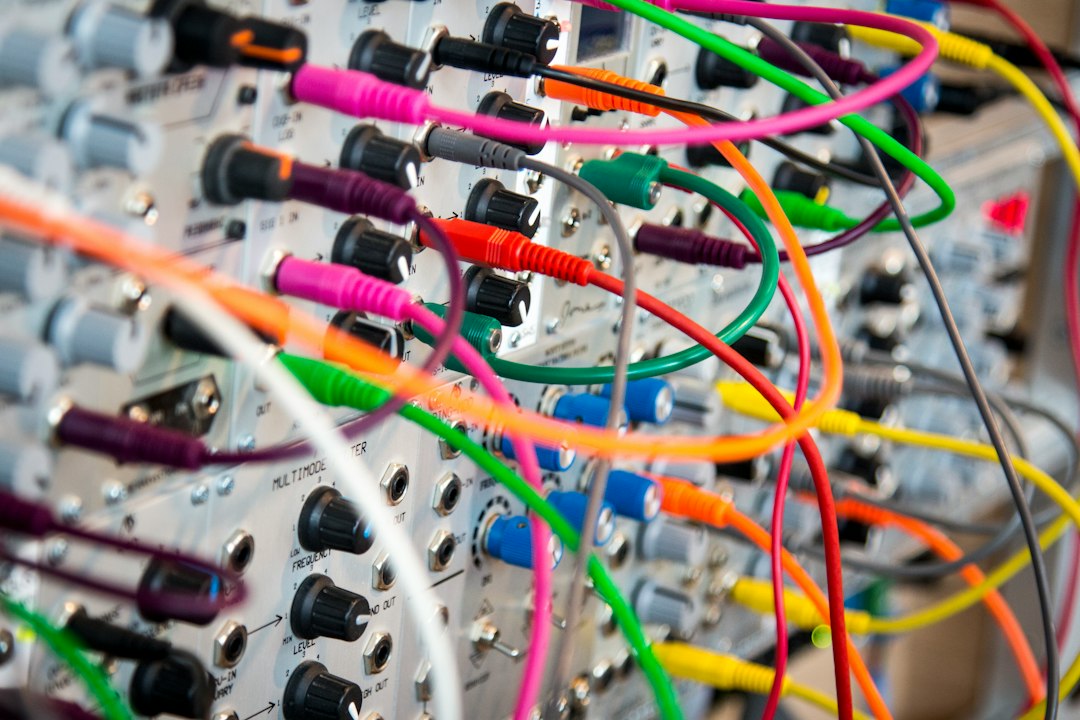
In the world of audio production, the importance of gear maintenance and cable checks cannot be overstated. Equipment, whether it be microphones, mixers, or speakers, is the backbone of any successful recording or live performance. Over time, wear and tear can lead to diminished sound quality, unexpected failures, and costly repairs. Regular maintenance not only ensures that equipment operates at peak performance but also extends its lifespan. By adopting a proactive approach to gear upkeep, audio professionals can avoid the pitfalls of neglect and ensure that their tools remain reliable.
Cable checks are particularly crucial in this maintenance routine. Cables are often the unsung heroes of audio setups, silently transmitting signals from one piece of equipment to another. However, they are also prone to damage from bending, twisting, and general wear. A faulty cable can introduce noise, disrupt signal flow, or even cause complete system failures. Therefore, incorporating regular cable inspections into a maintenance schedule is essential for anyone serious about audio quality. This article will delve into the various aspects of gear maintenance and cable checks, providing a comprehensive guide for audio professionals.
For those looking to enhance their skills in studio maintenance, you might find it beneficial to read our related article on essential tips for optimizing your studio setup. This article provides insights into creating an efficient workspace and ensuring your equipment is always in top condition. You can check it out here: Essential Tips for Optimizing Your Studio Setup.
Essential Tools and Supplies for Your Workbench
To effectively maintain audio equipment and cables, having the right tools and supplies at one’s disposal is paramount. A well-equipped workbench can make all the difference when it comes to performing repairs or conducting routine checks. Essential tools include screwdrivers of various sizes, pliers, wire strippers, and soldering irons. Each tool serves a specific purpose, from tightening screws on equipment to repairing damaged cables. Investing in high-quality tools can enhance efficiency and ensure that tasks are completed with precision.
In addition to tools, having a selection of supplies is equally important. This includes items such as electrical tape, heat shrink tubing, and cleaning solutions specifically designed for electronics. These materials facilitate quick repairs and maintenance tasks, allowing audio professionals to address issues as they arise. Furthermore, organizing these tools and supplies in a dedicated space can streamline the maintenance process. By keeping everything within reach and clearly labeled, individuals can save time and reduce frustration when tackling gear upkeep.
Setting Up a Clean and Organized Workspace
A clean and organized workspace is fundamental for effective gear maintenance. Clutter can lead to distractions and mistakes, making it difficult to focus on the task at hand. To create an optimal environment, individuals should start by decluttering their workbench and removing any unnecessary items. This not only enhances focus but also minimizes the risk of damaging equipment during maintenance tasks. A tidy workspace allows for better visibility and access to tools and supplies.
In addition to decluttering, establishing a systematic organization method can further improve efficiency. Utilizing storage bins or drawers for tools and supplies can help keep everything in its designated place. Labeling these containers ensures that items can be quickly located when needed. Moreover, incorporating a designated area for completed projects or repairs can help track progress and prevent confusion. By fostering an organized workspace, audio professionals can enhance their productivity and ensure that gear maintenance is conducted smoothly.
Inspecting Audio Cables for Wear and Damage
Regular inspection of audio cables is a critical component of gear maintenance. Cables are often subjected to physical stress, which can lead to fraying, cuts, or internal damage that may not be immediately visible. During inspections, individuals should carefully examine both ends of each cable for signs of wear. This includes checking connectors for corrosion or bent pins that could compromise signal integrity. Additionally, the cable itself should be inspected for any visible damage along its length.
Beyond visual inspections, it is also advisable to perform tactile checks by gently bending the cable at various points. This can help identify internal breaks or weak spots that may not be apparent through sight alone. If any damage is detected during these inspections, it is crucial to address it promptly—whether through repair or replacement—to prevent further issues down the line. By making cable inspections a regular part of maintenance routines, audio professionals can safeguard their equipment against unexpected failures.
For anyone looking to enhance their studio setup, understanding the fundamentals of gear maintenance is essential. A great resource to complement your knowledge on this topic is an article that delves into the importance of regular equipment checks and how they can improve your overall sound quality. You can find it here: Technomusic News. This article provides valuable insights that will help you keep your studio gear in top shape, ensuring that your creative process remains uninterrupted.
Cleaning Connectors and Jacks Properly
Cleaning connectors and jacks is an essential aspect of maintaining audio equipment and ensuring optimal performance. Over time, dust, dirt, and oxidation can accumulate on these components, leading to poor connections and degraded sound quality. To clean connectors effectively, individuals should use a soft cloth or brush to gently remove any debris from the surface. For stubborn grime or oxidation, specialized cleaning solutions designed for electronics may be employed.
It is important to exercise caution during the cleaning process to avoid damaging sensitive components. Using excessive force or abrasive materials can lead to scratches or other forms of damage that may compromise functionality. Additionally, ensuring that connectors are completely dry before reassembling equipment is crucial to prevent moisture-related issues. By incorporating regular cleaning of connectors and jacks into their maintenance routines, audio professionals can enhance signal quality and prolong the life of their gear.
For those looking to enhance their studio setup, understanding how to perform a basic gear maintenance and cable check at your studio workbench is essential. This process not only ensures optimal performance but also prolongs the life of your equipment. If you’re interested in diving deeper into studio maintenance tips, you might find this related article on effective studio practices helpful. Check it out here for more insights on keeping your workspace in top shape.
Testing Continuity and Signal Integrity of Cables
Testing continuity and signal integrity is a vital step in ensuring that audio cables are functioning correctly. Continuity testing involves checking whether an electrical signal can pass through the cable without interruption. This can be accomplished using a multimeter set to the continuity mode; if the meter beeps or shows a reading, it indicates that the cable is intact. This simple test can quickly identify broken cables that may otherwise go unnoticed until they cause problems during use.
Signal integrity testing goes a step further by assessing how well a cable transmits audio signals without distortion or loss of quality. This often requires specialized equipment such as an audio analyzer or signal generator. By sending a test signal through the cable and analyzing the output at the other end, audio professionals can determine if the cable is performing optimally. Regular testing not only helps identify faulty cables but also ensures that all connections maintain high-quality sound reproduction.
Maintaining and Lubricating Mechanical Gear Components
Mechanical components within audio equipment require regular maintenance to ensure smooth operation and longevity. This includes parts such as faders, knobs, and moving mechanisms found in mixers and other devices. Over time, dust and grime can accumulate in these areas, leading to stiffness or malfunctioning parts. To maintain these components effectively, individuals should periodically clean them using appropriate cleaning solutions and soft brushes.
Lubrication is another critical aspect of maintaining mechanical gear components. Applying a suitable lubricant can help reduce friction between moving parts, allowing them to operate smoothly. It is essential to use lubricants specifically designed for electronics to avoid damaging sensitive components or attracting more dust and debris. Regularly maintaining and lubricating mechanical parts not only enhances performance but also extends the lifespan of audio equipment.
Checking and Tightening Screws and Fasteners
Loose screws and fasteners can lead to operational issues in audio equipment, making it essential to check and tighten them regularly as part of maintenance routines. Over time, vibrations from use can cause screws to loosen, potentially leading to misalignment or even damage to internal components. During inspections, individuals should systematically check all accessible screws on their equipment using the appropriate screwdriver.
Tightening screws should be done carefully; overtightening can strip threads or cause damage to delicate parts. A gentle yet firm approach is recommended to ensure that screws are secure without risking harm to the equipment. By incorporating this simple yet effective practice into their maintenance schedules, audio professionals can prevent potential issues caused by loose fasteners and ensure that their gear remains in optimal working condition.
Calibrating and Adjusting Studio Equipment Settings
Calibration is a crucial aspect of maintaining studio equipment settings for optimal performance. Over time, equipment may drift from its original specifications due to various factors such as temperature changes or component aging. Regular calibration ensures that devices such as microphones, mixers, and monitors are functioning accurately according to industry standards.
Adjusting settings based on specific needs is equally important in achieving desired sound quality. This may involve fine-tuning levels on mixers or adjusting EQ settings on speakers based on room acoustics. By taking the time to calibrate and adjust studio equipment regularly, audio professionals can ensure that they are getting the best possible sound from their gear while minimizing potential issues during recordings or performances.
Documenting Maintenance Procedures and Schedules
Documenting maintenance procedures and schedules is an often-overlooked aspect of gear upkeep that can significantly enhance efficiency over time. Keeping detailed records allows audio professionals to track what maintenance has been performed on each piece of equipment and when it was last serviced. This information can be invaluable when troubleshooting issues or planning future maintenance tasks.
Creating a maintenance log can be as simple as using a spreadsheet or dedicated software designed for asset management. Individuals should include details such as inspection dates, repairs made, parts replaced, and any observations noted during inspections. By maintaining thorough documentation, audio professionals can establish a clear history of their gear’s maintenance journey—ultimately leading to better-informed decisions regarding repairs or replacements.
Tips for Preventative Maintenance to Extend Gear Life
Preventative maintenance is key to extending the life of audio equipment and ensuring consistent performance over time. One effective strategy is to establish a regular maintenance schedule that includes routine inspections, cleaning sessions, and testing procedures at predetermined intervals—whether weekly, monthly, or quarterly—depending on usage levels.
Another important tip is to store equipment properly when not in use; this includes using protective cases for sensitive gear and avoiding exposure to extreme temperatures or humidity levels that could cause damage over time. Additionally, educating oneself about best practices for handling cables—such as avoiding sharp bends or excessive pulling—can significantly reduce wear on these critical components.
By adopting these preventative measures alongside regular maintenance routines, audio professionals can safeguard their investments while ensuring that their gear remains reliable for years to come. Ultimately, a commitment to proper care will yield dividends in terms of performance quality and longevity—allowing individuals to focus on what they do best: creating exceptional sound experiences.