
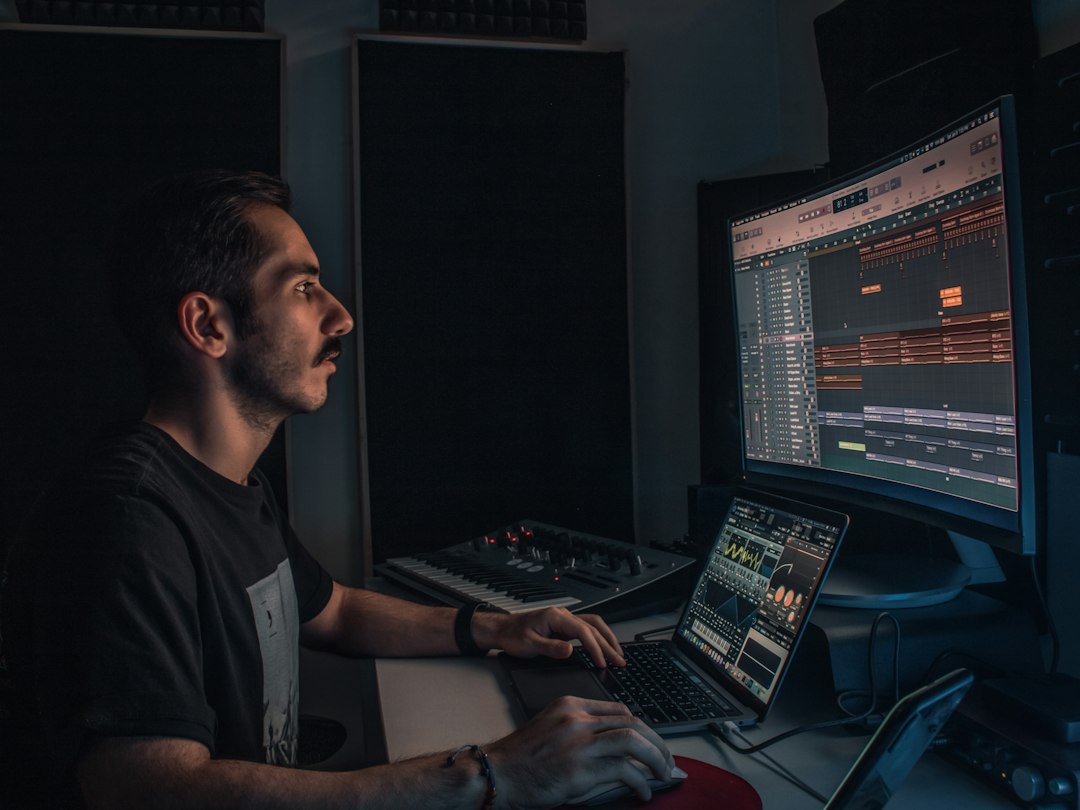
In the realm of electronic music, particularly techno, depth plays a pivotal role in shaping the listener’s experience. Depth refers not only to the spatial characteristics of sound but also to the emotional resonance that music can evoke. Techno, with its pulsating beats and intricate soundscapes, thrives on creating an immersive environment that transports listeners to another dimension. The depth in techno music is essential for engaging audiences, allowing them to lose themselves in the rhythm and atmosphere. It is this quality that distinguishes a mere collection of sounds from a profound auditory journey.
Moreover, depth in techno is not solely about the auditory experience; it also encompasses the psychological impact of sound. When producers craft tracks with depth, they invite listeners to explore various layers of emotion and sensation. This exploration can lead to a heightened state of awareness and connection with the music. As such, understanding how to create and manipulate depth becomes crucial for any techno producer aiming to captivate their audience. By mastering the elements that contribute to depth, artists can elevate their productions from simple tracks to powerful sonic experiences that resonate long after the music has stopped.
If you’re looking to enhance the depth of your techno tracks while maintaining that essential low-end punch, you might find inspiration in the article on innovative sound design techniques. This piece explores various methods to layer sounds effectively, ensuring that your bass remains powerful without sacrificing clarity. For more insights, check out the related article here: Innovative Sound Design Techniques.
Balancing Low-End Frequencies for Maximum Bass Impact
The low-end frequencies are the backbone of any techno track, providing the foundation upon which the entire composition rests. Achieving a balanced low-end is essential for maximizing bass impact, as it ensures that the kick drum and bassline work harmoniously together. A well-defined low-end not only drives the rhythm but also creates a sense of physicality that can be felt on a dance floor. Producers must pay careful attention to the relationship between these elements, ensuring that neither overwhelms the other while still delivering a powerful punch.
To achieve this balance, producers often employ various techniques such as EQ adjustments and careful layering. By using EQ to carve out space for each element within the low-end spectrum, they can prevent muddiness and maintain clarity. Additionally, layering different bass sounds can add richness and complexity to the low-end without sacrificing impact. This approach allows for a fuller sound that resonates deeply with listeners, creating an immersive experience that is both engaging and energizing.
Utilizing Reverb and Delay to Create Spatial Dimension
Reverb and delay are two powerful tools in a producer’s arsenal when it comes to creating spatial dimension in techno music. These effects can transform a flat sound into a three-dimensional auditory landscape, enhancing the overall depth of a track. Reverb simulates the natural reflections of sound in a space, allowing elements to blend seamlessly while adding warmth and richness. When applied judiciously, reverb can create an expansive atmosphere that envelops listeners, drawing them deeper into the sonic experience.
Delay, on the other hand, introduces rhythmic echoes that can add complexity and movement to a track. By strategically placing delays on various elements, producers can create a sense of space and depth that evolves throughout the composition. This interplay between reverb and delay not only enhances the auditory experience but also contributes to the emotional narrative of the music. Together, these effects can transform simple sounds into lush soundscapes that invite listeners to explore every nuance and detail.
Layering Synths and Pads for Richer Textures
Layering is an essential technique in techno production that allows artists to create richer textures and more complex soundscapes. By combining multiple synths and pads, producers can craft sounds that are fuller and more engaging than single-layered counterparts. This approach enables them to explore a wide range of tonal possibilities, from ethereal pads that evoke a sense of serenity to aggressive synth leads that drive energy forward. The key lies in selecting complementary sounds that blend well together while maintaining their distinct characteristics.
When layering synths and pads, producers often experiment with different octaves, timbres, and modulation settings to achieve a unique sonic palette. This experimentation can lead to unexpected results, resulting in textures that are both innovative and captivating. Additionally, careful attention must be paid to the frequency spectrum; ensuring that each layer occupies its own space prevents clutter and maintains clarity within the mix. Ultimately, effective layering not only enhances the richness of a track but also contributes to its overall depth and emotional impact.
If you’re looking to enhance the richness of your techno tracks while maintaining that essential low-end punch, you might find inspiration in a related article that explores innovative mixing techniques. By incorporating various sound design elements and layering methods, you can create a more immersive listening experience. For more insights on this topic, check out this informative piece at Techno Music News, which offers valuable tips and tricks to elevate your productions.
Employing Midrange Elements to Enhance Perceived Depth
While low-end frequencies provide the foundation for techno music, midrange elements play a crucial role in enhancing perceived depth. The midrange is where much of the melodic content resides, making it essential for conveying emotion and narrative within a track. By incorporating various midrange elements such as melodic synth lines, vocal samples, or percussive hits, producers can create a sense of movement and progression that draws listeners deeper into the music.
To effectively utilize midrange elements, producers must consider their placement within the mix. Careful panning and volume adjustments can help create a sense of space and separation between different sounds, allowing each element to shine without overpowering others. Additionally, modulation techniques such as filter sweeps or pitch bends can add dynamic movement to midrange elements, further enhancing their impact. By thoughtfully integrating midrange sounds into their productions, artists can elevate their tracks’ emotional resonance and overall depth.
If you’re looking to enhance your techno tracks while maintaining that essential low-end punch, you might find inspiration in a related article that explores innovative mixing techniques. By incorporating elements such as spatial effects and dynamic layering, you can create a more immersive sound without sacrificing the track’s foundation. For more insights on this topic, check out this informative piece on Techno Music News, where you’ll discover additional strategies to elevate your productions.
Creative Use of Sidechain Compression for Dynamic Movement
Sidechain compression is a widely used technique in electronic music production that can significantly enhance dynamic movement within a track. By ducking certain elements in response to others—most commonly using the kick drum as a trigger—producers can create a rhythmic pulsing effect that adds energy and excitement to their compositions. This technique not only helps maintain clarity within the mix but also contributes to the overall groove of the track.
The creative application of sidechain compression goes beyond simply making room for the kick drum; it can also be used to shape the dynamics of various elements throughout a track. For instance, applying sidechain compression to pads or synths can create an ebb-and-flow effect that adds depth and movement to the soundscape. This dynamic interplay between elements keeps listeners engaged and encourages them to immerse themselves fully in the music. By mastering sidechain compression techniques, producers can elevate their tracks’ energy levels while enhancing their overall depth.
Automation Techniques to Evolve the Soundstage Over Time
Automation is a powerful tool that allows producers to manipulate various parameters throughout a track dynamically. By automating effects such as volume, panning, or filter settings, artists can create evolving soundscapes that maintain listener interest over time. This technique is particularly effective in techno music, where gradual changes can lead to dramatic shifts in mood and atmosphere.
Producers often use automation to introduce new elements or modify existing ones gradually. For example, slowly increasing reverb on a synth line can create an expansive feeling as it builds towards a climax. Similarly, automating filter cutoff frequencies can add tension and release within a track’s structure. By thoughtfully employing automation techniques, producers can craft intricate soundscapes that evolve organically, enhancing both depth and emotional impact.
Incorporating Stereo Imaging Without Sacrificing Bass Power
Stereo imaging is an essential aspect of sound design that contributes significantly to perceived depth in music production. By strategically placing sounds across the stereo field, producers can create a sense of space and dimension that draws listeners into the mix. However, achieving effective stereo imaging while maintaining bass power requires careful consideration and technique.
Producers often utilize panning techniques to distribute sounds across the stereo field while ensuring that low-end frequencies remain centered for maximum impact. This approach allows for clarity in the mix without sacrificing the power of bass elements like kick drums or basslines. Additionally, using stereo widening effects on higher-frequency elements can enhance spatial perception without encroaching on low-end clarity. By mastering stereo imaging techniques, producers can create immersive soundscapes that envelop listeners while retaining the punchy bass essential for techno music.
Using Harmonic Saturation and Distortion to Add Warmth
Harmonic saturation and distortion are techniques often employed by producers to add warmth and character to their tracks. These effects introduce subtle harmonic overtones that enrich sounds and enhance their presence within a mix. In techno music, where precision and clarity are paramount, carefully applied saturation can elevate individual elements while contributing to overall depth.
Producers may use analog emulation plugins or hardware units to achieve desired saturation levels without overwhelming their mixes with harshness or distortion artifacts. By applying these effects selectively—such as on drums or synths—artists can enhance warmth while maintaining clarity across all frequency ranges. This approach not only adds richness but also creates an inviting sonic environment that encourages listeners to engage with the music on multiple levels.
Strategic EQ Carving to Maintain Clarity and Punch
Equalization (EQ) is one of the most critical tools in a producer’s toolkit when it comes to achieving clarity and punch in techno music. Strategic EQ carving allows artists to sculpt their sounds by emphasizing certain frequencies while attenuating others, ensuring each element occupies its own space within the mix. This process is vital for maintaining clarity across all layers of sound while preserving punchy low-end frequencies.
Producers often begin by identifying problematic frequency ranges that may cause muddiness or overlap between elements. By applying precise cuts using parametric EQs—particularly in the low-mid range—artists can create separation between sounds without sacrificing their inherent character or energy levels. Additionally, boosting specific frequencies where desired—such as adding brightness to synths or presence to vocals—can enhance overall impact without compromising clarity. Through careful EQ carving techniques, producers can achieve polished mixes that resonate deeply with listeners.
Experimenting with Rhythmic Variations to Enrich Groove and Depth
Rhythmic variations are essential for keeping techno tracks engaging and dynamic throughout their duration. By introducing subtle changes in rhythm or groove patterns—whether through percussion elements or synth lines—producers can create moments of tension and release that enhance overall depth within their compositions. This experimentation encourages listeners to stay engaged as they anticipate shifts in rhythm or energy levels.
Producers often explore different rhythmic patterns by layering percussive elements or manipulating existing ones through swing settings or triplet feels. These variations not only enrich groove but also contribute significantly to perceived depth by creating intricate polyrhythms that invite exploration within each track’s sonic landscape. By embracing rhythmic experimentation as part of their creative process, artists can craft captivating techno compositions that resonate with audiences long after they leave the dance floor.
In conclusion, depth is an integral aspect of techno music production that encompasses various techniques and approaches aimed at creating immersive auditory experiences. From balancing low-end frequencies for maximum impact to experimenting with rhythmic variations for enriched groove, each element contributes uniquely toward achieving profound sonic landscapes capable of captivating listeners’ attention while evoking deep emotional responses. By mastering these techniques—such as utilizing reverb/delay effects creatively or employing automation strategies—producers can elevate their tracks beyond mere collections of sounds into powerful journeys through soundscapes filled with richness and complexity worthy of exploration by any audience member willing enough to dive deep into this mesmerizing genre known as techno music.