
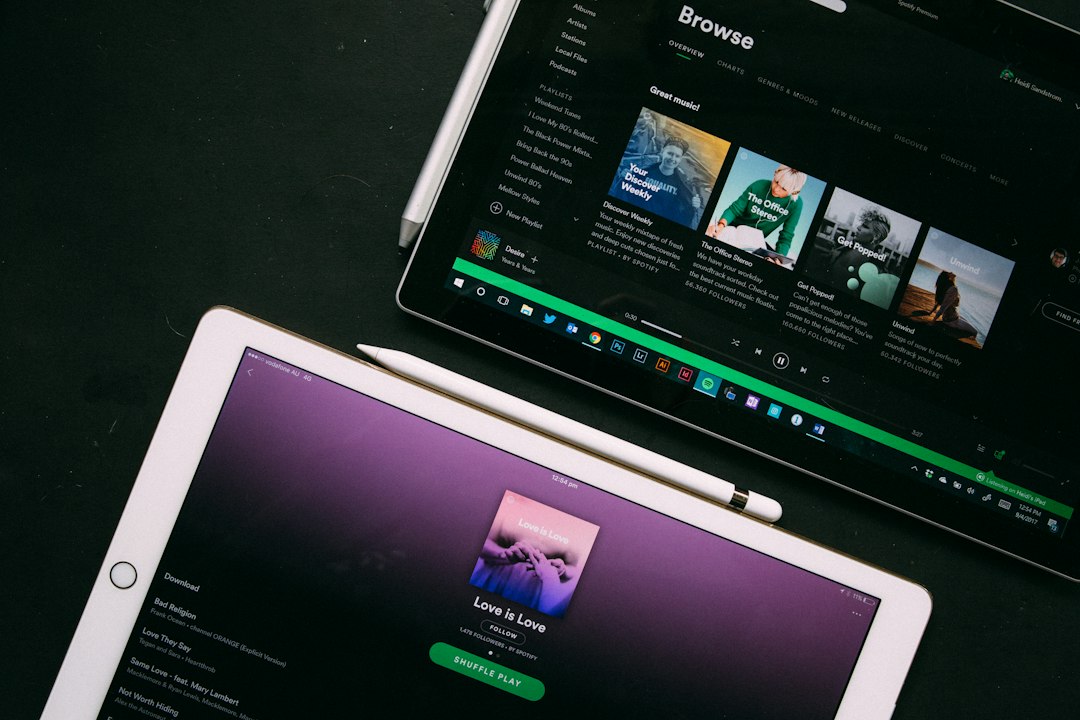
In the realm of music streaming, vanity metrics often serve as the initial allure for artists and record labels alike. These metrics, which include total stream counts, follower numbers, and playlist placements, can create an illusion of success that may not necessarily correlate with an artist’s true impact or engagement with their audience. For many emerging musicians, the excitement of seeing their song rack up millions of streams can overshadow the more nuanced aspects of their career development. This phenomenon can lead to a skewed perception of what constitutes success in the music industry, as artists may prioritize these easily quantifiable figures over deeper, more meaningful connections with their listeners.
However, it is crucial to recognize that while vanity metrics can provide a snapshot of an artist’s visibility, they do not paint a complete picture of their influence or potential for growth. The focus on these superficial numbers can divert attention from the essential elements that contribute to a sustainable music career. As the industry evolves, it becomes increasingly important for artists to look beyond these metrics and seek out more substantive indicators of their success. By understanding the limitations of vanity metrics, musicians can better navigate the complexities of the streaming landscape and develop strategies that foster genuine engagement with their audience.
To enhance your understanding of tracking music streaming progress without getting caught up in vanity metrics, you might find it helpful to read a related article that delves deeper into effective strategies for measuring your success in the music industry. This article discusses various tools and techniques that can provide a more accurate picture of your audience engagement and growth. You can check it out here: How to Track Your Music Streaming Progress Accurately.
The Limitations of Traditional Streaming Numbers
Traditional streaming numbers, while impressive on the surface, often fail to capture the full scope of an artist’s reach and impact. For instance, a song that garners millions of streams may not necessarily translate into a loyal fanbase or meaningful interactions. This discrepancy highlights a significant limitation in relying solely on streaming figures as a measure of success. Many listeners may stream a track out of curiosity or trendiness, but this does not guarantee that they will engage with the artist’s broader body of work or attend live performances.
Moreover, traditional streaming numbers can be misleading due to the nature of playlists and algorithm-driven recommendations. A song may achieve high streaming counts simply because it was featured on a popular playlist, rather than due to organic listener interest. This reliance on curated playlists can create an environment where artists feel pressured to conform to specific trends or sounds to gain visibility, potentially stifling their creativity and authenticity. As such, it is essential for artists and industry professionals to critically assess these numbers and seek out additional metrics that provide a more comprehensive understanding of their audience and market position.
Defining Meaningful Metrics for Music Success
To navigate the complexities of the music industry effectively, artists must define what meaningful metrics look like for their unique careers. These metrics should extend beyond mere streaming numbers to encompass factors such as listener engagement, fan loyalty, and overall brand strength. For instance, tracking how often listeners return to an artist’s music or engage with their content on social media can provide valuable insights into the depth of their connection with fans. Additionally, metrics such as concert attendance and merchandise sales can serve as indicators of an artist’s ability to translate digital success into real-world engagement.
Furthermore, meaningful metrics should also consider qualitative data, such as listener feedback and sentiment analysis. Understanding how fans perceive an artist’s work can offer invaluable insights into areas for growth and improvement. By focusing on these more nuanced indicators of success, artists can develop a clearer picture of their standing in the industry and make informed decisions about their creative direction and marketing strategies.
Tracking Listener Engagement and Retention
Listener engagement and retention are critical components in assessing an artist’s long-term success in the music industry. While initial streaming numbers may indicate a song’s popularity, it is the ongoing engagement that truly reflects an artist’s ability to connect with their audience. Metrics such as repeat listens, playlist saves, and social media interactions can provide a more accurate representation of how well an artist resonates with listeners over time. By analyzing these patterns, artists can identify which songs or projects generate sustained interest and which may require further development.
Moreover, understanding listener retention can help artists tailor their marketing efforts and content creation strategies. For example, if data reveals that fans are particularly engaged with a specific genre or theme, artists can leverage this information to inform future releases or promotional campaigns. By prioritizing listener engagement and retention metrics, musicians can cultivate a dedicated fanbase that supports their career in the long run.
If you’re looking to enhance your understanding of music streaming analytics, you might find the article on Technomusic News particularly insightful. It delves into various strategies for measuring your music’s performance beyond just vanity metrics, offering practical tips that can help you track your progress more accurately. By focusing on meaningful data, you can gain a clearer picture of your audience engagement and overall impact in the music industry.
Analyzing Playlist Inclusions and Their Impact
Playlist inclusions have become a significant factor in determining an artist’s visibility and success in the streaming landscape. Being featured on popular playlists can lead to substantial increases in streaming numbers and exposure; however, it is essential to analyze the impact of these placements beyond just the immediate boost in numbers. Artists should consider how playlist inclusions affect listener behavior and engagement over time. For instance, do listeners who discover an artist through a playlist continue to engage with their music after the initial exposure?
Additionally, understanding the demographics of listeners who engage with specific playlists can provide valuable insights into an artist’s target audience. By analyzing which playlists yield the highest engagement rates and which demographics are most responsive to their music, artists can refine their marketing strategies and focus on building relationships with those listeners. This targeted approach not only enhances an artist’s visibility but also fosters a deeper connection with fans who are genuinely interested in their work.
If you’re looking to enhance your understanding of music streaming analytics, you might find it helpful to read a related article that delves deeper into effective strategies for tracking your progress. This resource offers insights on how to move beyond vanity metrics and focus on data that truly reflects your growth as an artist. For more information, check out this informative piece on music streaming analytics.
Measuring Geographic and Demographic Reach
In today’s globalized music industry, understanding geographic and demographic reach is vital for artists seeking to expand their audience. Streaming platforms provide valuable data on where listeners are located and their age groups, allowing artists to tailor their marketing efforts accordingly. For instance, if an artist discovers that they have a significant following in a particular region or demographic group, they can strategically plan tours or promotional campaigns that cater to those audiences.
Moreover, analyzing geographic data can help artists identify emerging markets where they may have untapped potential. By understanding regional trends and preferences, musicians can adapt their sound or marketing strategies to resonate with new audiences. This approach not only broadens an artist’s reach but also fosters a sense of community among fans who feel connected to the artist’s journey.
Utilizing Social Media Analytics to Complement Streaming Data
Social media analytics play a crucial role in complementing streaming data by providing insights into audience engagement and sentiment. Platforms like Instagram, Twitter, and TikTok offer valuable metrics on how fans interact with an artist’s content, including likes, shares, comments, and overall reach. By analyzing this data alongside streaming numbers, artists can gain a more comprehensive understanding of their audience’s preferences and behaviors.
For example, if an artist notices that certain posts generate higher engagement rates than others, they can use this information to inform their content strategy moving forward. Additionally, social media analytics can help artists identify trends or topics that resonate with their audience, allowing them to create content that fosters deeper connections with fans. By integrating social media insights into their overall analytics strategy, musicians can enhance their marketing efforts and build a more engaged fanbase.
Monitoring Revenue Streams Beyond Stream Counts
While streaming numbers are often viewed as the primary indicator of success in the music industry, it is essential for artists to monitor revenue streams beyond these figures. Income from live performances, merchandise sales, licensing deals, and fan subscriptions all contribute significantly to an artist’s financial health. By diversifying revenue streams and understanding how each contributes to overall income, musicians can create a more sustainable career.
Additionally, tracking revenue sources allows artists to identify which areas are most profitable and where they may need to invest more effort or resources. For instance, if merchandise sales are particularly strong during tours, artists may choose to expand their product offerings or enhance their online store presence. By taking a holistic approach to revenue monitoring, musicians can ensure they are maximizing their earning potential while also fostering deeper connections with their fans.
Leveraging Fan Feedback and Interaction Data
Fan feedback is an invaluable resource for artists looking to refine their craft and strengthen their connection with listeners. By actively seeking out feedback through surveys, social media interactions, or direct communication channels, musicians can gain insights into what resonates with their audience. This information can inform everything from songwriting decisions to marketing strategies, ultimately leading to a more engaged fanbase.
Moreover, interaction data—such as comments on social media posts or responses to email newsletters—can provide additional context for understanding fan preferences. By analyzing this data alongside other metrics, artists can identify trends or themes that emerge from listener feedback. This approach not only enhances an artist’s ability to connect with fans but also fosters a sense of community where listeners feel valued and heard.
Tools and Platforms for Advanced Music Analytics
As the music industry continues to evolve, various tools and platforms have emerged to assist artists in navigating the complex landscape of music analytics. Services like Spotify for Artists, Apple Music Analytics, and SoundCloud Insights provide musicians with access to valuable data regarding listener behavior and engagement patterns. These platforms enable artists to track key metrics such as stream counts, listener demographics, and geographic reach—all essential components for developing informed marketing strategies.
In addition to these platforms, third-party analytics tools like Chartmetric and Next Big Sound offer even deeper insights into an artist’s performance across multiple streaming services and social media platforms. By leveraging these advanced analytics tools, musicians can gain a comprehensive understanding of their audience and market position while identifying opportunities for growth and improvement.
Creating Actionable Strategies Based on Comprehensive Metrics
Ultimately, the goal of analyzing music metrics is to create actionable strategies that drive an artist’s career forward. By synthesizing data from various sources—streaming platforms, social media analytics, fan feedback—artists can develop targeted marketing campaigns that resonate with their audience. For instance, if data reveals that fans are particularly engaged with a specific genre or theme in an artist’s work, they can tailor future releases or promotional efforts accordingly.
Moreover, creating actionable strategies requires ongoing evaluation and adaptation based on real-time data insights. As trends shift within the music industry and listener preferences evolve, artists must remain agile in their approach to marketing and content creation. By continuously monitoring key metrics and adjusting strategies accordingly, musicians can cultivate a loyal fanbase while ensuring long-term success in an ever-changing landscape.
In conclusion, while vanity metrics may initially capture attention in the music streaming world, it is essential for artists to delve deeper into meaningful metrics that reflect true engagement and success. By understanding listener behavior, analyzing playlist impacts, leveraging social media insights, monitoring diverse revenue streams, and utilizing advanced analytics tools, musicians can create comprehensive strategies that foster genuine connections with fans while driving their careers forward in a competitive industry landscape.