
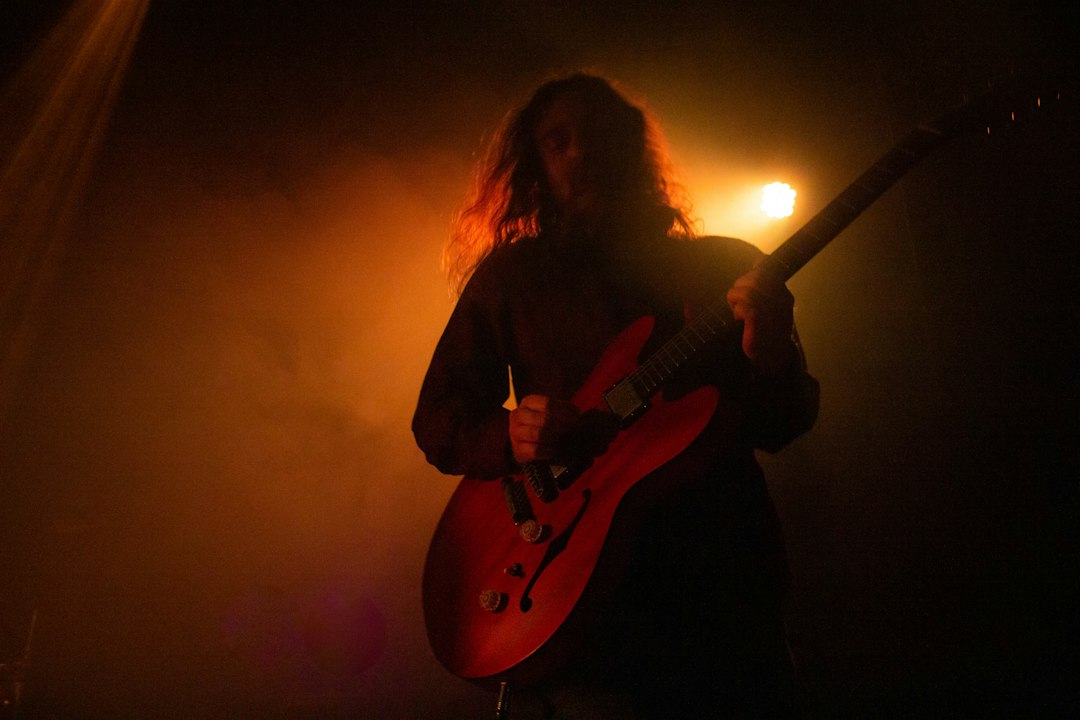
International tours present a myriad of challenges that can significantly impact the well-being of artists and their teams. The complexities of navigating different cultures, languages, and time zones can create a stressful environment that is often overlooked. Artists may find themselves grappling with homesickness, cultural disorientation, and the pressure to perform at their best despite these hurdles. The demands of travel can lead to fatigue, which can affect not only their physical health but also their mental resilience. Understanding these unique challenges is crucial for creating a supportive framework that allows artists to thrive while on the road.
Moreover, the logistics of international touring can be daunting. From securing visas to managing travel itineraries, the administrative burden can weigh heavily on both artists and their support teams. Each country may have different regulations regarding performance permits, customs, and even health protocols, which can add layers of complexity to an already intricate process. This constant juggling act can lead to heightened anxiety and stress levels, making it essential for tour managers and support staff to anticipate these challenges and develop strategies to mitigate their impact on the artists’ overall experience.
For those interested in further exploring the challenges faced by artists on international tours, a related article titled “Navigating the Emotional Landscape of Touring: Strategies for Success” can provide valuable insights. This piece delves into the psychological aspects of touring and offers practical advice for maintaining mental well-being while on the road. You can read it here: Navigating the Emotional Landscape of Touring: Strategies for Success.
Prioritizing Rest and Recovery for Artists
Rest and recovery are paramount for artists who are constantly on the move. The physical demands of performing, combined with the rigors of travel, can take a toll on an artist’s body and mind. It is essential for tour organizers to prioritize adequate rest periods in the schedule, allowing artists to recharge between performances. This could mean ensuring that travel times are minimized or that accommodations are conducive to relaxation. By recognizing the importance of downtime, tour managers can help prevent burnout and maintain high performance levels throughout the tour.
In addition to scheduling rest, recovery practices should be integrated into the daily routine of artists. This could include access to wellness resources such as massage therapy, yoga sessions, or even quiet spaces for meditation. Encouraging artists to engage in self-care practices can significantly enhance their ability to cope with the stresses of touring. When artists feel supported in their recovery efforts, they are more likely to maintain their energy and enthusiasm, ultimately leading to more successful performances.
Creating a Supportive Tour Environment
A supportive tour environment is vital for fostering creativity and well-being among artists. This environment should be characterized by mutual respect, understanding, and encouragement among all team members. When artists feel valued and supported by their crew, they are more likely to express themselves freely and engage fully in their performances. Creating such an atmosphere requires intentional efforts from tour managers and team leaders to cultivate a culture of positivity and collaboration.
One effective way to build a supportive environment is through team-building activities that promote camaraderie and trust. These activities can range from simple icebreakers during meetings to more elaborate group outings that allow team members to bond outside of work-related tasks. By investing time in relationship-building, tour managers can create a sense of belonging that enhances overall morale. A cohesive team is better equipped to handle the inevitable challenges that arise during international tours, leading to a more enjoyable experience for everyone involved.
Incorporating Mental Health Check-Ins
Mental health is an often-overlooked aspect of touring life, yet it plays a crucial role in an artist’s overall well-being. Regular mental health check-ins can provide artists with a safe space to express their feelings and concerns while on the road. These check-ins can be facilitated by tour managers or mental health professionals who understand the unique pressures faced by touring artists. By normalizing conversations about mental health, teams can foster an environment where seeking help is encouraged rather than stigmatized.
Incorporating mental health resources into the touring schedule can also be beneficial. This might include workshops on stress management techniques or access to counseling services during the tour. By prioritizing mental health alongside physical health, tour organizers demonstrate a commitment to the holistic well-being of their artists. When artists feel supported in both their mental and emotional health, they are more likely to perform at their best and enjoy their time on tour.
Maintaining high artist morale during grueling international tours is essential for ensuring both performance quality and overall well-being. A related article that delves into the psychological aspects of touring and offers insights on fostering a positive environment for artists can be found at this link. By implementing practical strategies and understanding the unique challenges faced by performers, managers and crew can create a supportive atmosphere that enhances creativity and resilience on the road.
Encouraging Open Communication Among Team Members
Open communication is essential for any successful team, but it becomes even more critical in the high-pressure environment of international tours. Encouraging team members to voice their thoughts, concerns, and suggestions fosters a culture of transparency and trust. When artists feel comfortable sharing their experiences, it not only enhances their individual well-being but also strengthens the entire team dynamic. Tour managers should actively promote open lines of communication by holding regular meetings where everyone has an opportunity to contribute.
Additionally, implementing feedback mechanisms can further enhance communication within the team. This could involve anonymous surveys or suggestion boxes where team members can share their thoughts without fear of judgment. By valuing input from all team members, tour managers can identify potential issues before they escalate and create solutions that benefit everyone involved. A culture of open communication leads to increased collaboration and problem-solving capabilities, ultimately resulting in a more harmonious touring experience.
Maintaining high artist morale during grueling international tours is crucial for both performance quality and overall well-being. In a related article, the importance of mental health support for touring musicians is explored, highlighting strategies that can help artists cope with the challenges of life on the road. For more insights on this topic, you can read about it in detail here. By implementing these practical tips, artists can foster a positive environment that enhances their creativity and resilience while navigating the demands of touring.
Providing Nutritious Meals and Hydration Options
Nutrition plays a pivotal role in maintaining energy levels and overall health during international tours. Providing nutritious meals and hydration options should be a top priority for tour organizers. Artists often have demanding schedules that leave little time for meal preparation or healthy eating choices, making it essential for catering services to offer balanced meals that meet dietary needs. By prioritizing nutrition, tour managers can help ensure that artists have the fuel they need to perform at their best.
Hydration is equally important, especially when traveling across different climates and altitudes. Access to clean water should be readily available at all times, along with electrolyte-rich beverages that can help replenish lost fluids after performances. Educating artists about the importance of staying hydrated can empower them to take charge of their health while on tour. When artists feel physically nourished and hydrated, they are better equipped to handle the demands of touring life.
Scheduling Downtime and Leisure Activities
Incorporating downtime and leisure activities into the touring schedule is essential for maintaining balance in an artist’s life on the road. While performances are undoubtedly important, allowing time for relaxation and exploration can enhance overall satisfaction during the tour. Tour managers should strive to create itineraries that include opportunities for leisure activities, whether it be sightseeing in a new city or simply enjoying some quiet time away from the hustle and bustle.
Leisure activities not only provide a much-needed break from work but also allow artists to connect with local cultures and experiences. This exposure can inspire creativity and rejuvenate an artist’s passion for their craft. Additionally, engaging in fun activities with fellow team members fosters camaraderie and strengthens relationships within the group. By prioritizing downtime alongside performance commitments, tour organizers can create a more fulfilling experience for everyone involved.
Utilizing Technology to Stay Connected with Loved Ones
The emotional toll of being away from family and friends during international tours cannot be underestimated. Utilizing technology to stay connected with loved ones is crucial for maintaining emotional well-being while on the road. Tour managers should encourage artists to use video calls, messaging apps, and social media platforms to keep in touch with those they care about back home. This connection can provide comfort and support during challenging times.
Moreover, creating designated times for communication can help artists manage their schedules effectively while still prioritizing personal relationships. By allowing time for calls or messages during breaks or downtime, artists can maintain a sense of normalcy despite being far from home. When artists feel connected to their support systems, they are better equipped to handle the stresses of touring life.
Offering Professional Counseling and Support Services
Access to professional counseling and support services is an invaluable resource for artists navigating the challenges of international tours. Tour organizers should consider partnering with mental health professionals who specialize in working with performers or those in high-stress environments. Offering these services as part of the touring experience demonstrates a commitment to prioritizing mental health and well-being.
Counseling services can provide artists with coping strategies for managing stress, anxiety, or homesickness while on tour. Additionally, having a professional available for confidential discussions allows artists to address any personal issues that may arise during their travels. By providing access to mental health resources, tour managers empower artists to take charge of their emotional well-being, ultimately leading to more successful performances.
Celebrating Small Wins and Milestones on the Road
Celebrating small wins and milestones during an international tour can significantly boost morale among artists and their teams. Recognizing achievements—whether it’s completing a successful show or reaching a specific number of performances—can create a sense of accomplishment that motivates everyone involved. Tour managers should make it a point to acknowledge these moments through team gatherings or simple shout-outs during meetings.
These celebrations do not have to be extravagant; even small gestures like sharing a meal together or giving out tokens of appreciation can go a long way in fostering a positive atmosphere on tour. By highlighting successes along the way, teams can cultivate a sense of unity and purpose that enhances overall performance quality. Celebrating milestones also serves as a reminder of how far the team has come together, reinforcing bonds that contribute to a successful touring experience.
Preparing Artists with Cultural Awareness and Adaptability Training
Cultural awareness and adaptability training are essential components for artists embarking on international tours. Each country presents its own unique customs, traditions, and social norms that may differ significantly from what artists are accustomed to at home. Providing training sessions before embarking on a tour can equip artists with the knowledge they need to navigate these cultural differences respectfully.
This training could include language basics, etiquette tips, and insights into local customs that may impact performances or interactions with fans. By preparing artists for cultural nuances, tour managers help them adapt more easily to new environments while minimizing potential misunderstandings or faux pas. When artists feel confident in their ability to engage with diverse audiences, they are more likely to connect meaningfully with fans around the world.
In conclusion, international tours present unique challenges that require thoughtful strategies for supporting artists’ well-being throughout their journeys. By prioritizing rest and recovery, creating supportive environments, incorporating mental health check-ins, encouraging open communication, providing nutritious meals, scheduling downtime, utilizing technology for connection, offering professional counseling services, celebrating milestones, and preparing for cultural adaptability, tour organizers can foster an enriching experience for all involved. Ultimately, when artists feel supported both physically and emotionally on the road, they are empowered to deliver exceptional performances while enjoying their time away from home.